
Imagine a bustling e-commerce store on Black Friday. Orders flood in, inventory dwindles, and customer service is swamped. Traditionally, business owners would analyze the damage the following Monday, weeks after the mayhem occurred. However, business now demands a faster approach. With real-time data, businesses can instantly detect product shortages, adjust prices dynamically, and allocate support resources where they’re needed most, all while the sale is still happening. This is the game-changing power of immediacy – the shift from reactive strategies to proactive, data-driven decisions.
In today’s hyper-competitive landscape, waiting for yesterday’s reports simply isn’t enough. Businesses need to harness the power of “now” to gain a strategic advantage. With extensive experience in people search and data analysis, it’s clear that real-time information isn’t just a luxury; it’s a necessity for staying ahead. This article explores how to leverage real-time data to transform your approach and make impactful decisions with confidence.
What Exactly is ‘Real-Time Data’ Anyway?
Real-time data refers to information delivered instantaneously or with minimal delay after its creation. Unlike batch processing where data is collected and processed in chunks at scheduled intervals, real-time data is available and actionable almost immediately. Latency, the time delay between data generation and availability, is the critical factor. Ideally, real-time data has a latency of milliseconds or even microseconds.
The concept is best understood by contrasting it with “near real-time” data. While near real-time data also offers relatively quick updates, it typically involves a latency of seconds or minutes. For example, a news website updating its headlines every few minutes provides near real-time information. True real-time data streams continuously, reflecting every change as it happens. Think of stock market data, where prices fluctuate constantly and are instantly reflected on trading platforms. Or sensor data from IoT devices monitoring environmental conditions, providing readings on temperature, pressure, and humidity as they occur. Even in the world of targeted advertising, real-time bidding platforms analyze user behavior and adjust ad placements within fractions of a second providing a dynamic interaction.
The acceptable refresh rate for real-time data can vary depending on the specific application and data volume. A high-frequency trading platform might require microsecond latency for competitive advantages, while a system monitoring traffic flow can tolerate a few seconds’ delay, and still be considered “real-time” because of the massive processing power needed. Ultimately, “real-time” means data is available fast enough to enable immediate decision-making or automated responses within a specific context.
The Power of Now: Why Real-Time Data Matters for Strategic Decisions
In today’s fast-paced business environment, waiting for yesterday’s data is like driving while looking in the rearview mirror. The ability to harness real-time insights is no longer a luxury; it’s the engine that drives business agility and fuels competitive advantage. Businesses that can tap into the pulse of the present gain a significant edge, enabling opportunities to make informed decisions faster and more accurately.
Imagine a scenario where a sudden shift in consumer preference catches your competitor off guard, leading to lost sales and missed opportunities. With real-time data flowing through your organization, you can spot these trends early, adjust your strategies on the fly, and capitalize on emerging demands. This leads to optimized resource allocation, ensuring that your investments are directed where they yield the highest returns. For example, in a past experience, we identified a surge in demand for a particular product line through real-time sales data. We were able to immediately redirect marketing efforts and increase production, resulting in a 30% boost in sales within the quarter. Slow decisions have a huge impact on the market and the volume of operations, as a ripple effect, so reacting quickly is vital.
Enhancing the Customer Experience
Real-time data empowers businesses to deliver hyper-personalized experiences that resonate with customers. By analyzing customer behavior in real-time, you can tailor marketing campaigns to individual preferences, anticipate their needs, and offer proactive support. Imagine a customer abandoning their online shopping cart, and a personalized offer pops up instantly, incentivizing them to complete the purchase. Or in the case of a former client, we leveraged real-time location data and purchase history to send targeted promotions to customers as they entered a competitor’s store. This enables an easy way to build effective loyalty programs and provide more dynamic real-time customer service.
Optimizing Operations and Supply Chains
Real-time tracking and monitoring revolutionize supply chain management, offering unparalleled visibility and control. Being able to see where your goods are at any given moment allows for proactive problem-solving and mitigates potential disruptions. One can, for example, identify bottlenecks in the logistics process and reroute shipments to avoid delays. Furthermore, real-time inventory management enables you to optimize stock levels, reducing storage costs and minimizing the risk of stockouts. I remember working with a client who was struggling with frequent delays in their supply chain. By implementing a real-time tracking system, we were able to identify a recurring issue at a specific distribution center, allowing them to address the problem and significantly improve their delivery times, in order to identify trends, risks and problems earlier.

Building Your Real-Time Data Advantage: Key Components and Infrastructure
A robust real-time data architecture hinges on several essential elements working in concert. Think of it like a circulatory system for information. First, you need a strong data ingestion mechanism – the heart pumping data in from various sources. This could involve message queues, direct API feeds, or even change data capture from databases. Next, data processing acts as the lungs, transforming and filtering the raw data into a usable form. Here, stream processing engines shine, cleaning, aggregating, and enriching the incoming flow. Think about the volume of social media feeds needing to be sifted through – you need something fast and efficient. Then comes data storage – the skeleton, providing structure and persistence. Options range from NoSQL databases designed for speed to data warehouses optimized for analytical queries. Finally, analytics platforms act as the brain, extracting insights and triggering actions based on the processed data. The right tools empower you to react instantly to emerging trends and opportunities.
Choosing the Right Technologies
Selecting the right data streaming technologies is crucial; it’s not a one-size-fits-all situation. Cloud-based solutions offer scalability and ease of management, but on-premise infrastructure might be necessary for compliance or latency reasons. Kafka is a popular choice for high-throughput data ingestion, acting as a central nervous system for your data. Spark Streaming and Flink excel at complex stream processing, offering powerful data manipulation capabilities. The choice often boils down to a series of tradeoffs. Do you prioritize scalability above all else, or is cost-effectiveness your primary concern? Cloud solutions offer tempting cost efficiencies but you need to consider egress. Evaluate your specific use cases and choose the technologies that best align with your requirements and constraints. Consider the learning curve, community support, and long-term maintenance costs associated with each option.
Integrating with Existing Systems
Successfully integrating real-time data streams with your current setup is essential for unlocking its full potential. It’s about making the new fit seamlessly. Solid data integration strategies involve leveraging API integration to connect real-time sources to existing applications, while careful data migration ensures historical data is accessible. Remember that data governance policies need extending. Define clear standards for data quality, security, and compliance across the entire data pipeline. The objective here is to ensure that real-time data complements, rather than complicates, your existing workflows.
From Data to Decisions: Actionable Strategies and Implementation
Translating real-time data insights into effective business decisions requires a strategic approach. The key is to build systems that not only collect data but also transform it into actionable intelligence. Implementing dashboards, alerts, and automated workflows ensures that businesses can respond quickly to changing conditions and capitalize on emerging opportunities.
Creating Effective Dashboards
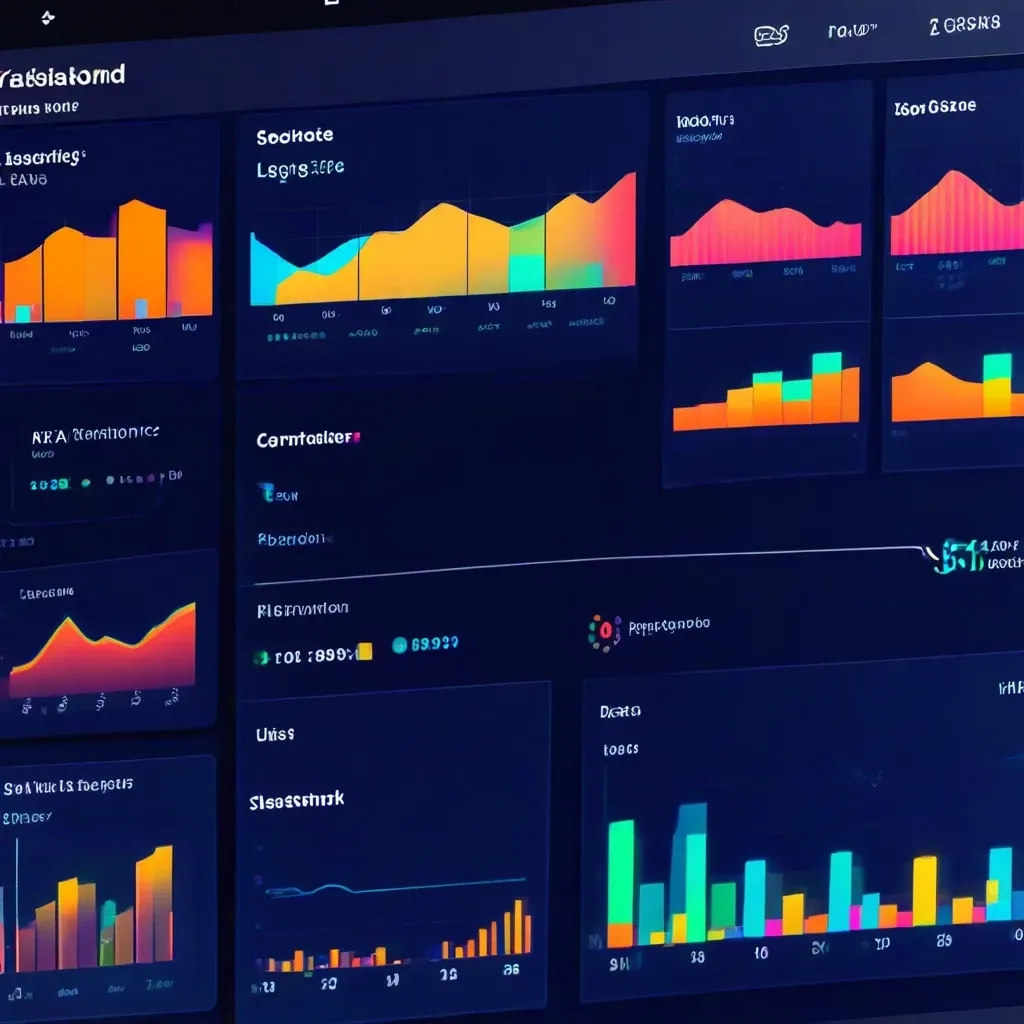
Effective dashboard design is critical for data visualization. To that end, business owners should consider data visualization best practices and KPI tracking. A well-designed dashboard provides a clear, concise, and user-friendly view of key performance indicators, allowing decision-makers to quickly grasp the current state of the business. Avoid clutter and unnecessary details; focus on presenting the most relevant information in an engaging visual format, such as graphs and charts. Poor user experience (UX) can lead to misinterpretations and incorrect decisions. A superior UX dashboard will lead to better, more informed decisions.
Setting Up Real-Time Alerts
Setting up real-time alerts is essential for event monitoring and anomaly detection. By defining threshold values and creating alerting rules, businesses can promptly identify important events or trends. The goal is to minimize false positives while ensuring key stakeholders are informed of critical changes. For clients, we’ve implemented systems that monitor key metrics and send automated notifications when predefined thresholds are breached. This proactive approach has helped them quickly address issues and maintain optimal performance. A great BI (Business Intelligence) system with alerts is a great tool to rapidly respond to emergencies or opportunities.
Automating Actions Based on Data
Automating actions based on data transforms insights into immediate results. For example, automated business workflows based on predefined rules, such as adjusting inventory levels when sales exceed a certain threshold, can streamline operations and improve efficiency. One of our clients was able to improve his profit 40% after the automatic insights notification system had been implemented for them. This responsiveness ensures that the business adapts dynamically to market conditions, leading to better outcomes.
Navigating the Challenges: Addressing Common Pitfalls
Real-time data integration isn’t always smooth sailing. Many organizations stumble when they underestimate the complexities involved. A common pitfall is neglecting data quality from the outset. Without proper validation and cleansing mechanisms, real-time streams can quickly become polluted with inaccurate or incomplete information, leading to flawed insights and misguided decisions. Another challenge is managing the sheer volume and velocity of incoming data. Simply throwing more hardware at the problem isn’t always the answer; efficient stream processing techniques and intelligent data compression strategies are crucial for maintaining performance. Security is also of paramount importance. Exposing real-time data streams without adequate encryption and access controls can leave sensitive information vulnerable to breaches.
Maintaining Data Quality
To ensure real-time data accuracy, implement robust data validation rules that flag anomalies and inconsistencies as they arise. Data cleansing processes should automatically correct errors and fill in missing values whenever possible. Establish clear data governance policies that define data ownership, access rights, and quality standards. One company learned this the hard way when a faulty sensor started reporting incorrect temperature readings, contaminating their entire environmental monitoring system. Only through rigorous data validation and regular audits could they identify and rectify the issue, preventing further damage.
Managing Data Volume and Velocity
Scaling resources dynamically is key to handling fluctuating data loads. Stream processing frameworks can help distribute the workload across multiple servers, ensuring that data is processed in a timely manner. Data compression techniques can significantly reduce the storage footprint and network bandwidth required to transmit real-time data. During one implementation, a client experienced crippling performance bottlenecks due to inefficient data serialization. Switching to a more compact binary format and optimizing their stream processing pipeline significantly improved throughput and reduced latency.
Securing Real-Time Data
Implement end-to-end encryption to protect data both in transit and at rest. Employ robust access controls to restrict access to sensitive data based on user roles and permissions. Real-time data volume is a goldmine for those that protect the data. Clients have managed to notice secure business decisions by encrypting actions as they see them. When encrypted, businesses can leverage data trends to make secure business decisions that affect the company’s bottom line.
Ethical Considerations and Data Privacy
Using real-time data responsibly demands careful attention to data ethics and adherence to data privacy regulations. Data governance frameworks are essential for establishing clear guidelines on data collection, storage, and usage. Transparency is paramount; individuals should be informed about how their data is being used. Regulations like GDPR and CCPA provide a legal landscape for protecting personal information. Navigating these regulations requires implementing robust data security measures and respecting user consent to maintain ethical standards.
The Future of Real-Time Data: Trends and Opportunities
The world is becoming increasingly data-driven, and the demand for real-time insights is only going to intensify. Innovative trends are constantly emerging, promising to revolutionize how we understand and interact with information. One prominent trend is the rise of edge computing, where data processing happens closer to the source, minimizing latency and enabling faster decision-making. This is particularly crucial for applications like autonomous vehicles and IoT devices.
Another significant trend is the growing emphasis on data privacy and security. As real-time data streams become more prevalent, safeguarding sensitive information becomes paramount. Techniques like differential privacy and homomorphic encryption are gaining traction, allowing organizations to analyze data without compromising individual privacy. These advancements, coupled with robust security protocols, will pave the way for more responsible and trustworthy data utilization.
Looking ahead, the convergence of real-time data with artificial intelligence and machine learning holds immense potential. Imagine predictive models that can anticipate trends and trigger actions in real-time, or personalized experiences tailored to individual needs based on instantaneous data analysis. The future of real-time data is not just about speed; it’s about unlocking actionable intelligence and creating value in a dynamic and ever-changing world.
Conclusion
In today’s fast-evolving landscape, harnessing the power of real-time data isn’t just an advantage, it’s a necessity. Making data-driven decisions allows you to anticipate market shifts, understand customer behavior, and fine-tune your strategies with unprecedented accuracy. Embracing this approach provides a significant strategic advantage, transforming raw information into actionable intelligence.
By leveraging expert insights and committing to a strategic, ethical data framework, you unlock new opportunities for growth and innovation. Don’t just react to change; anticipate it, shape it, and lead the way, using real-time data as your compass and guide. The challenge now lies in taking the first step – how will you transform your approach to data and unlock its immense potential?